Solar Financing Options in Zimbabwe: How to Afford Your System
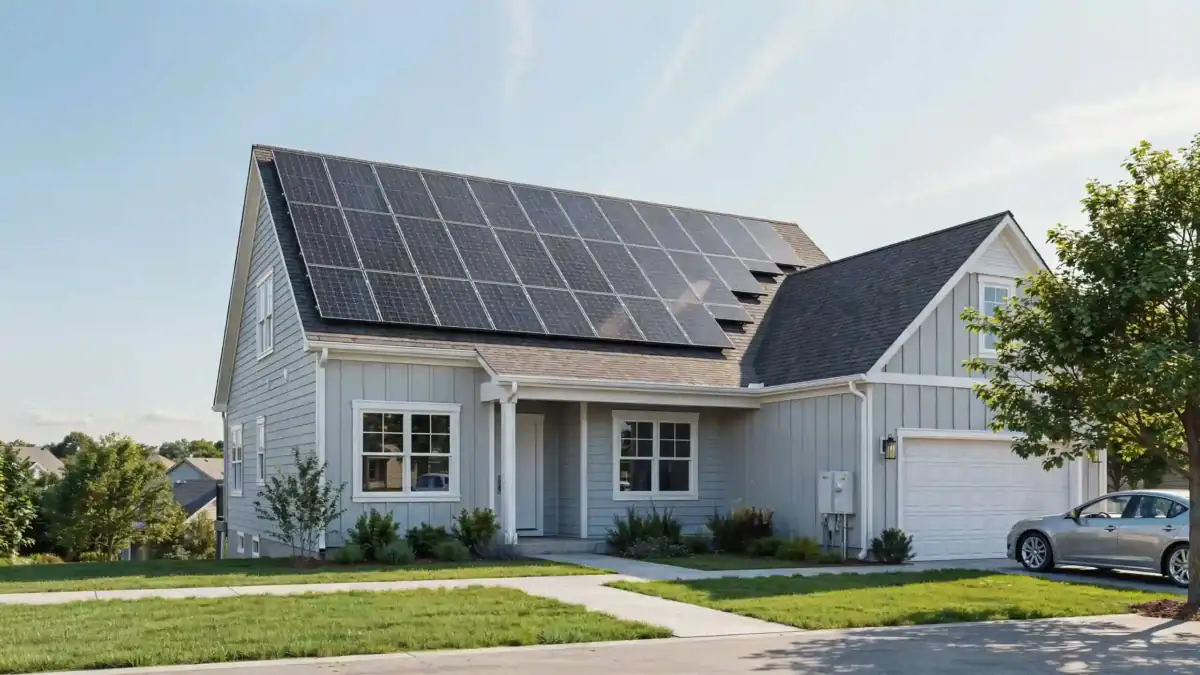
Making Solar Affordable for Every Harare Household
One of the most common concerns we hear at Solar Harare is about affordability. "I know solar makes sense, but can I actually afford it right now?" It is a fair question, and the good news is there are several ways to finance a solar system in Zimbabwe that can work for different budgets and circumstances.
This guide covers the main solar financing options available to Harare homeowners in 2026, along with honest advice on which approach might suit your situation best.
Option 1: Cash Purchase
Buying your solar system outright remains the most cost-effective option in the long run. When you pay cash, you own the system from day one, there are no monthly payments, and you start saving on electricity immediately.
Typical Costs for Harare Homes
- Basic load shedding backup (3kW system): USD 3,000 to USD 4,500
- Standard residential system (5kW to 8kW): USD 6,000 to USD 12,000
- Premium whole-home system (10kW+): USD 14,000 to USD 25,000+
These ranges vary based on component choices (lithium vs lead acid batteries, inverter brand, panel quality) and the specific requirements of your installation.
Why Cash Purchase Works Best
With a cash purchase, your system typically pays for itself within 3 to 5 years through electricity savings and avoided generator costs. After the payback period, you enjoy essentially free electricity for the remaining 15 to 20 years of the system's lifespan.
For homeowners in Borrowdale, Glen Lorne, and Highlands who can afford the upfront investment, this is almost always the most financially sound approach.
Option 2: Solar Rental (Power Purchase Agreement)
Solar rental is an increasingly popular option in Zimbabwe that removes the upfront cost barrier entirely. With a solar rental arrangement, a solar provider installs the system on your property and you pay a fixed monthly fee for the energy it produces.
How Solar Rental Works
- Zero upfront cost: the system is installed at no cost to you
- Fixed monthly payment, typically lower than your combined ZESA and generator costs
- The solar company owns and maintains the equipment
- Contract periods usually range from 5 to 10 years
- At the end of the contract, you often have the option to purchase the system at a reduced price
Solar Harare offers rental options for qualifying properties in Harare. Our rental programme is designed for homeowners who want the benefits of solar without the large upfront investment. Visit our solar pricing page for more details on how this works.
Who Benefits Most from Rental
Solar rental is ideal for homeowners who want immediate bill reduction and load shedding protection without tying up capital. It is also a good option if you plan to sell your property within the next few years, as the rental agreement can sometimes be transferred to the new owner.
Option 3: Instalment Plans
Some solar providers in Zimbabwe offer instalment payment plans that allow you to spread the cost of your system over 6 to 24 months. You own the system from the start, but you pay in structured instalments rather than a single lump sum.
What to Watch For
When evaluating instalment plans, pay attention to:
- Interest rates: Some plans charge significant interest that increases the total cost substantially
- Deposit requirements: Most plans require 30% to 50% upfront
- Total cost: Calculate the total amount you will pay over the instalment period and compare it to the cash price
- What happens if you miss a payment: Understand the penalties and implications
At Solar Harare, we can discuss flexible payment arrangements for our clients. We prefer to be straightforward about costs and terms, so you always know exactly what you are paying.
Option 4: Bank Financing
Some Zimbabwean banks offer personal loans or asset finance products that can be used for solar installations. Standard Chartered, CBZ, and FBC have all offered solar-specific financing products at various times.
Bank financing can be viable if you secure a reasonable interest rate, but be cautious about the total cost of borrowing. A 24-month loan at high interest can significantly increase the overall cost of your solar system. Always calculate the total repayment amount before committing.
The Cost of Doing Nothing
When evaluating solar financing options in Zimbabwe, it is worth considering the cost of not going solar. Every month without solar, you continue paying:
- Full ZESA bills (with tariffs that tend to increase over time)
- Generator fuel and maintenance costs during load shedding
- The hidden costs of food spoilage, productivity loss, and appliance damage
For a household spending USD 200 per month on electricity and generator costs combined, that is USD 2,400 per year, or USD 12,000 over five years. That money is gone forever. Invested in a solar system instead, it would deliver returns for two decades.
How to Decide Which Option Is Right for You
Our recommendation depends on your financial situation:
- If you have the capital available: Cash purchase delivers the best long-term value
- If upfront cost is a barrier: Solar rental eliminates the barrier while still reducing your monthly energy costs
- If you can manage a large deposit: An instalment plan may bridge the gap
Whatever route you choose, the important thing is that going solar makes financial sense in Zimbabwe under any of these options. The question is not whether you can afford solar; it is whether you can afford to keep living without it.
Get Personalised Advice
Every household's financial situation is different, and we respect that. Craig Riley and the Solar Harare team are happy to discuss the financing options that make sense for your specific circumstances, with no obligation and no pressure.
Get in touch today to explore how solar can fit your budget, whether through purchase, rental, or a plan that works for you.
Need Help With Your Solar System?
Craig responds personally to every enquiry. Get a free, written quote.
Get a Free Quote